

Women’s international cricket is preparing for an important competition in the United Arab Emirates. The ICC Women’s Emerging Nations Trophy 2026 will bring together ten national teams in Ajman from November 12 to 25, giving established international sides and developing cricket nations an opportunity to compete in the same tournament.
The second edition marks a significant expansion. After eight teams participated in the inaugural event in Thailand in 2025, the 2026 tournament will feature ten teams, including five ICC Full Members. Bangladesh, Ireland, Pakistan, Sri Lanka and Zimbabwe will join the Netherlands, Papua New Guinea, Scotland, Thailand and hosts UAE.
The tournament also introduces a competitive structure that rewards consistency across several stages. With group matches, a Super Six round and a final, teams will need more than one outstanding performance to challenge for the title.
Why the 2026 Tournament Is Different
The biggest development is the inclusion of Full Member nations. These teams have established international cricket structures, although their Emerging Nations Trophy squads may differ considerably from their senior first-choice lineups.
For Associate Member teams, the competition creates opportunities to face opponents with greater access to international fixtures and professional development systems. Such encounters can provide valuable experience, particularly for players preparing to compete at higher levels.
The expansion also changes the tournament’s competitive landscape. Thailand enter as defending champions after winning the inaugural edition, but the presence of additional teams means the title race will involve a wider range of playing styles and international experience.
Unlike a bilateral series, the Emerging Nations Trophy offers several opponents within a relatively short period. Teams must adjust their tactics, manage player workloads and respond to different bowling and batting approaches throughout the competition.
Women’s Emerging Nations Trophy 2026 Groups
The ten participating nations have been divided into two groups of five. Each group contains a combination of Full Member and Associate Member teams, creating opportunities for competitive fixtures from the opening round.
| Group A | Group B |
|---|---|
| Sri Lanka | Pakistan |
| Ireland | Bangladesh |
| Scotland | Thailand |
| Papua New Guinea | Netherlands |
| United Arab Emirates | Zimbabwe |
Group A features Sri Lanka and Ireland alongside Scotland, Papua New Guinea and tournament hosts UAE. Group B includes Pakistan and Bangladesh, with Thailand, the Netherlands and Zimbabwe completing the lineup.
Both groups offer interesting matchups. Sri Lanka and Ireland bring international experience to Group A, while Scotland and UAE will look to use the competition to test their progress. In Group B, defending champions Thailand face established opponents, including Pakistan and Bangladesh. The group composition also means several teams will encounter opponents they do not regularly face in bilateral competitions.
How the Super Six Format Works
The tournament begins with a group stage running from November 12 to 18. Each team plays the other four nations in its group, with the top three from each group progressing to the Super Six.
The six qualifying teams then compete across three scheduled Super Six matchdays: November 20, 22 and 23. Each qualifier plays the three teams advancing from the opposite group.
After the Super Six stage, the two leading teams qualify for the final on November 25. The tournament therefore rewards performances across different opponents rather than relying entirely on a single knockout result.
| Stage | Dates | Format |
|---|---|---|
| Group stage | November 12–18 | Two groups of five teams |
| Qualification | After group stage | Top three from each group advance |
| Super Six | November 20, 22 and 23 | Cross-group fixtures |
| Final | November 25 | Top two Super Six teams |
The structure creates a meaningful challenge for every participant. A team that begins strongly still needs to perform against opponents from the other group, while a side that qualifies narrowly can remain in contention through improved performances.
Opening Matches and Important Fixtures
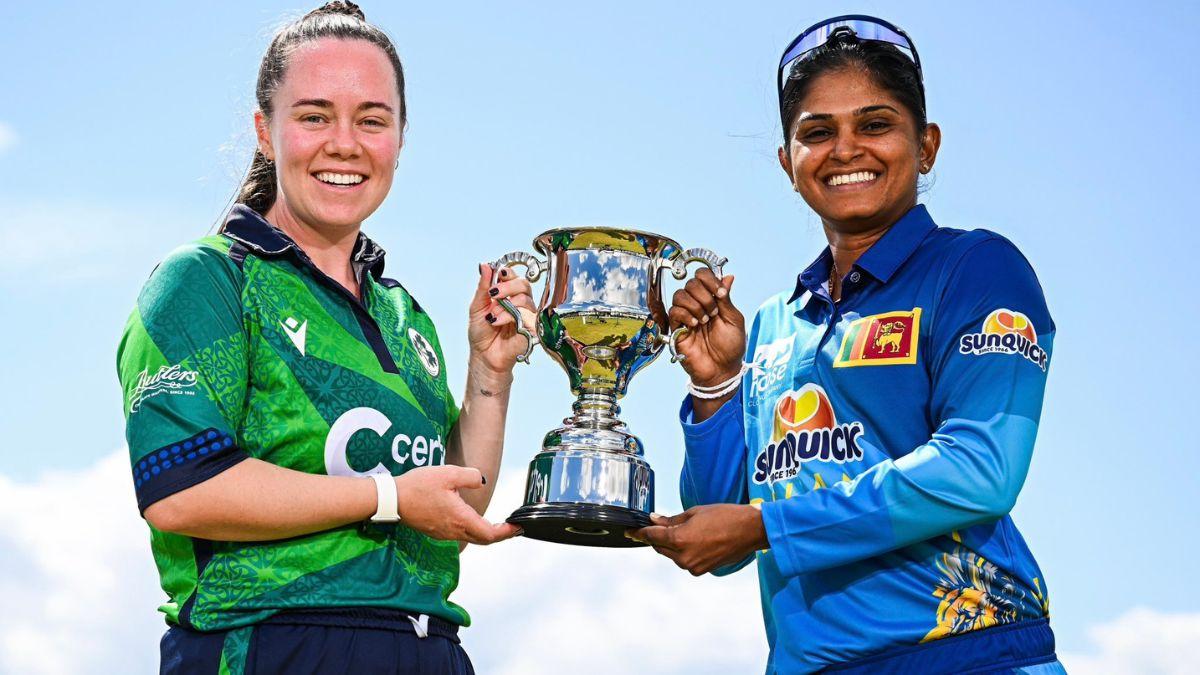
The tournament begins on November 12 with four matches across two venues in Ajman. Sri Lanka face Ireland in one of the opening fixtures, while Papua New Guinea meet Scotland. Later that day, Pakistan play Bangladesh and the Netherlands take on defending champions Thailand.
Several early fixtures could have a substantial influence on the group standings. Pakistan versus Bangladesh brings together two established cricket nations, while Netherlands versus Thailand offers an early test for the defending champions.
| Date | Match | Venue |
|---|---|---|
| November 12 | Sri Lanka vs Ireland | Karwan Sports Club |
| November 12 | PNG vs Scotland | Seven Districts |
| November 12 | Pakistan vs Bangladesh | Karwan Sports Club |
| November 12 | Netherlands vs Thailand | Seven Districts |
| November 13 | Scotland vs Sri Lanka | Karwan Sports Club |
| November 13 | UAE vs Ireland | Seven Districts |
| November 13 | Thailand vs Pakistan | Karwan Sports Club |
| November 13 | Zimbabwe vs Bangladesh | Seven Districts |
Both venues will host matches throughout the competition. The final is scheduled for November 25 at the Karwan Sports Club Cricket Ground.
Key Teams and Players to Watch
Sri Lanka enter the tournament with Harshitha Samarawickrama as captain. The squad also includes Kaveesha Dilhari as vice-captain, alongside experienced players such as Nilakshika Silva and Vishmi Gunarathne. Their presence could provide valuable stability during a tournament featuring several matches in quick succession.
Pakistan have named Muneeba Ali as captain, with Ayesha Zafar serving as vice-captain. The squad includes players looking to strengthen their international experience, making the competition an important opportunity to demonstrate consistency against varied opposition.
Bangladesh will be led by Nahida Akter, with Sobhana Mostary as vice-captain. Their opening fixture against Pakistan provides an immediate competitive challenge before matches against the other Group B opponents.
The Netherlands have selected Babette de Leede as captain. The Dutch side will face Thailand in their opening match, offering an early opportunity to assess their progress against the defending champions.
Squad announcements may continue to develop before the tournament begins, so individual selections and availability should be checked against official team updates.
Why Thailand’s Title Defence Matters
Thailand won the first Women’s Emerging Nations Trophy in 2025, establishing themselves as an important competitor among developing women’s cricket nations.
Their return as defending champions gives the 2026 edition an additional storyline. Unlike the inaugural competition, Thailand must now contend with five Full Member teams, including Pakistan and Bangladesh in their own group.
That makes the title defence a demanding challenge. Thailand will need to perform consistently during the group stage before potentially facing further Full Member opposition in the Super Six.
Regardless of the eventual results, the tournament offers an opportunity to measure how competitive Associate Member sides can be against teams with more established international programs.
What the Tournament Means for Women’s Cricket Development
The Emerging Nations Trophy is not simply another international competition. Its broader purpose involves creating opportunities for players and national teams that need regular exposure to competitive cricket.
International development depends on more than occasional appearances at major tournaments. Players benefit from repeated opportunities to face different opponents, experience unfamiliar match situations and develop the skills needed for higher levels of competition.
The expanded 2026 event could support that process in several ways:
- Greater competitive exposure: Associate Member teams face established international opponents.
- Player development: Emerging cricketers gain experience in a multi-stage tournament.
- Tactical improvement: Teams must adapt to different opponents and match conditions.
- Regional visibility: Matches in the UAE provide another platform for women’s cricket.
- Future preparation: Players can use the tournament to demonstrate readiness for more demanding international fixtures.
These opportunities do not guarantee immediate improvements in national rankings or future tournament qualification. Their value depends on how teams use the experience and whether players receive continued support afterward.
What Could Decide the 2026 Championship?
With ten teams competing across two weeks, consistency will be essential. A strong opening performance can build momentum, but the Super Six stage introduces additional opponents and tactical challenges.
Bowling discipline could prove particularly important. Teams that restrict scoring during the middle overs and avoid conceding unnecessary extras may gain an advantage in closely contested T20 matches.
Batting depth is another potential factor. Squads capable of recovering from early wickets or accelerating during the final overs will have more options when match conditions change.
Fielding and squad management could also influence results. Consecutive fixtures leave limited recovery time, making fitness and the ability to rotate players valuable considerations.
The competition’s expanded format makes predictions difficult. Established teams may enter with greater international experience, but shorter-format cricket can reward disciplined performances from less-fancied opponents.
A Bigger Stage for Emerging Women’s Cricket
The ICC Women’s Emerging Nations Trophy 2026 represents an important expansion of international opportunities for women’s cricket. Ten teams, two groups and a Super Six stage will create a competitive environment that brings together established nations and ambitious developing sides.
From Sri Lanka’s opening match against Ireland to Thailand’s attempt to defend their title, the tournament offers several compelling storylines. The participation of Pakistan, Bangladesh and other Full Members adds another dimension to the competition.
The action begins in Ajman on November 12, with the final scheduled for November 25. Beyond the trophy itself, the event provides an opportunity for emerging players and national teams to demonstrate their progress on an international stage.