

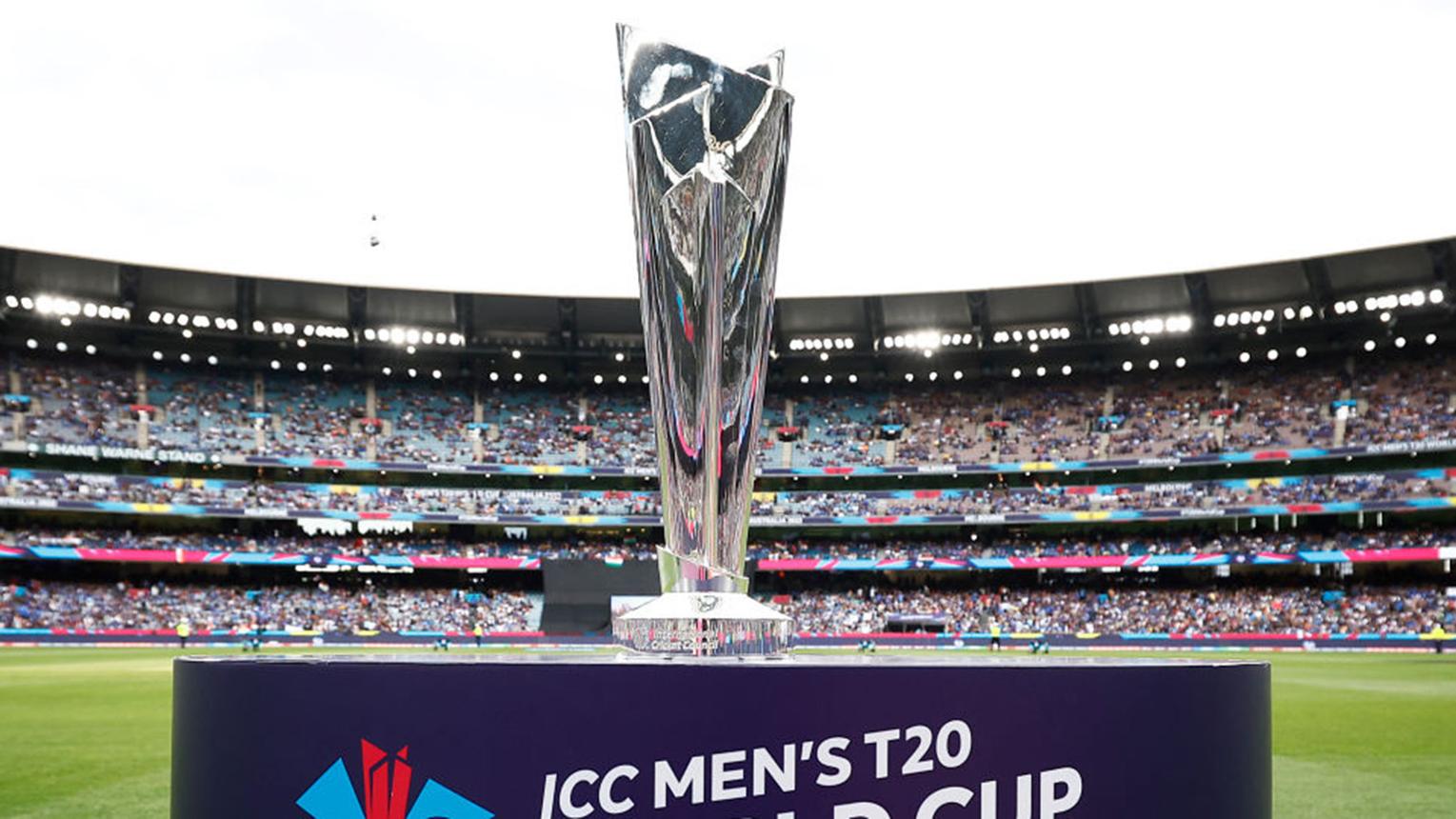
The ICC Men’s T20 World Cup 2028 will introduce a different route to the knockout stages, replacing the familiar Super 8 with a larger Super 10 round. The tournament will still feature 20 national teams, but the way they advance through the competition is changing. Instead of four opening groups of five, the teams will compete in five groups of four, followed by a second stage designed to give more countries meaningful matches.
The International Cricket Council approved the revised structure in July 2026, with Australia and New Zealand preparing to co-host the tournament. The changes aim to make the competition more competitive while creating additional opportunities for emerging cricket nations. For supporters, the new format means a different qualification race, more matches in the second stage and an additional knockout round before the semi-finals.
Why the ICC Is Changing the T20 World Cup Format
The previous structure used four groups of five teams, with the leading two sides from each group progressing to the Super 8. Although this format created competitive opening rounds, only eight countries could reach the second phase. The revised system expands that opportunity to ten teams without increasing the overall number of participants.
Under the T20 World Cup 2028 format, the opening stage will feature five groups of four. Two teams from each group will qualify for the Super 10, giving half the field a chance to continue competing beyond the first round. The ICC believes this approach can strengthen competition and offer developing cricket nations more exposure against established international sides.
The adjustment also changes how teams approach their campaigns. With fewer matches in the opening stage, every result becomes particularly important. A single defeat may significantly affect qualification prospects, while a strong start could place a team in an excellent position to advance.
How the T20 World Cup 2028 Format Works
The competition will consist of four main phases, beginning with the group stage and ending with the final. Unlike the previous format, the revised structure introduces two Eliminator matches to determine the remaining semi-finalists.
| Tournament stage | Teams involved | Qualification process |
|---|---|---|
| Opening group stage | 20 teams | Top two from each of five groups advance |
| Super 10 | 10 teams | Group winners reach the semi-finals |
| Eliminators | 4 teams | Second-placed teams face third-placed teams |
| Semi-finals | 4 teams | Winners advance to the final |
| Final | 2 teams | Winner becomes world champion |
The most significant difference is that finishing second in a Super 10 group no longer guarantees direct qualification for the semi-finals. Instead, those teams must survive an additional knockout fixture. This creates a stronger incentive to finish first and avoid the extra pressure of an Eliminator.
Five Groups of Four Teams in the Opening Round
The first stage will divide the 20 participating nations into five groups containing four teams each. Every country will play the other three teams in its group once, producing 30 matches across the opening phase.
The top two sides from each group will qualify for the Super 10. This arrangement creates a relatively short opening stage, where teams have limited opportunities to recover from poor performances. Net run rate could become especially important if multiple countries finish level on points.
For emerging nations, the format presents both opportunities and challenges. Reaching the second round becomes possible for ten teams rather than eight, but progressing from a four-team group still demands consistent performances. An unexpected victory against a higher-ranked opponent could dramatically change the qualification picture.
The Super 10 Replaces the Super 8
The Super 10 is the central feature of the redesigned tournament. Ten qualified teams will be divided into two groups of five, with each country playing four matches against the other members of its group.
This stage will feature 20 matches, providing more opportunities for supporters to watch competitive encounters between leading international teams. It also creates a longer period during which qualification positions can change.
The Super 10 standings will determine three different outcomes:
- First place: Direct qualification for the semi-finals.
- Second place: Qualification for an Eliminator against the opposite group’s third-placed team.
- Third place: Qualification for an Eliminator against the opposite group’s second-placed team.
- Fourth or fifth place: Elimination from the tournament.
This structure makes finishing at the top particularly valuable. Group winners avoid the additional knockout round, while teams finishing second or third must win another match to keep their title hopes alive.
How the New Eliminator Matches Will Work
The introduction of Eliminators adds a fresh tactical dimension to the competition. Once the Super 10 concludes, four teams will compete for the final two semi-final positions.
The second-placed team from one Super 10 group will face the third-placed team from the opposite group. The same arrangement applies to the remaining two qualifiers, creating two knockout matches. Both winners advance to the semi-finals, where they join the two Super 10 group winners.
These fixtures could produce some of the tournament’s most intense encounters. A team that performs consistently throughout the Super 10 might still face elimination after one disappointing match. Conversely, a country finishing third could reach the semi-finals by delivering a strong performance at the right moment.
Which Teams Have Qualified for the T20 World Cup 2028?
Twelve nations have already secured places at the tournament through their performances at the 2026 T20 World Cup and the relevant qualification criteria. The remaining eight positions will be decided through a global qualification pathway involving teams from different cricket regions.
The confirmed participants include several established international sides alongside countries that have made significant progress in recent years.
| Qualified teams | Qualification status |
|---|---|
| Australia | Confirmed |
| New Zealand | Confirmed |
| India | Confirmed |
| Pakistan | Confirmed |
| England | Confirmed |
| South Africa | Confirmed |
| West Indies | Confirmed |
| Sri Lanka | Confirmed |
| Bangladesh | Confirmed |
| Afghanistan | Confirmed |
| Ireland | Confirmed |
| Zimbabwe | Confirmed |
| Eight additional teams | To be determined through qualification |
The global qualification competition will involve 16 teams competing for eight remaining places. This provides a route for developing cricket nations to participate in another major international tournament.
The regional qualification process will also play an important role. Teams from Africa, Asia, Europe, the Americas and East Asia-Pacific will compete for opportunities to reach the global qualifying stage.
What the New Format Means for Cricket Fans
The revised structure should create a different viewing experience, particularly during the Super 10. More teams will remain involved beyond the opening round, while the additional Eliminators introduce two high-pressure matches before the semi-finals.
Supporters can expect several important changes:
- More countries competing in the tournament’s second stage.
- Greater importance attached to finishing first in a Super 10 group.
- Additional knockout cricket through the Eliminators.
- More opportunities for emerging teams to face established opponents.
- A different qualification race compared with previous editions.
The revised structure may also influence how captains manage their squads. With three opening matches followed by a potentially demanding second stage, balancing player fitness, bowling resources and tactical flexibility will be important.
Australia and New Zealand Prepare to Host the Tournament
Australia and New Zealand will jointly host the 2028 competition, bringing the tournament to two countries with strong cricket traditions and established international venues.
Both nations have experience staging major ICC events, although the final schedule, venues and individual fixtures will determine how the competition is distributed between them. Travel arrangements and playing conditions could become important considerations once the official match calendar is announced.
Different pitches, weather patterns and stadium dimensions may influence team selection and tactical decisions. Squads capable of adapting to changing conditions could gain an advantage during the longer Super 10 stage.
A New Chapter for International T20 Cricket
The T20 World Cup 2028 format represents more than a simple adjustment to the tournament schedule. By expanding the second stage and introducing Eliminators, the ICC has created a competition in which more nations can remain involved while group winners receive a meaningful advantage.
The opening round will demand immediate consistency, the Super 10 will test teams over four matches, and the Eliminators will add another layer of knockout pressure. With Australia and New Zealand preparing to host, the revised tournament promises a different competitive journey for players and supporters alike. The ultimate objective remains unchanged: finding the strongest T20 international team. What changes in 2028 is the path each contender must take to reach the final.