

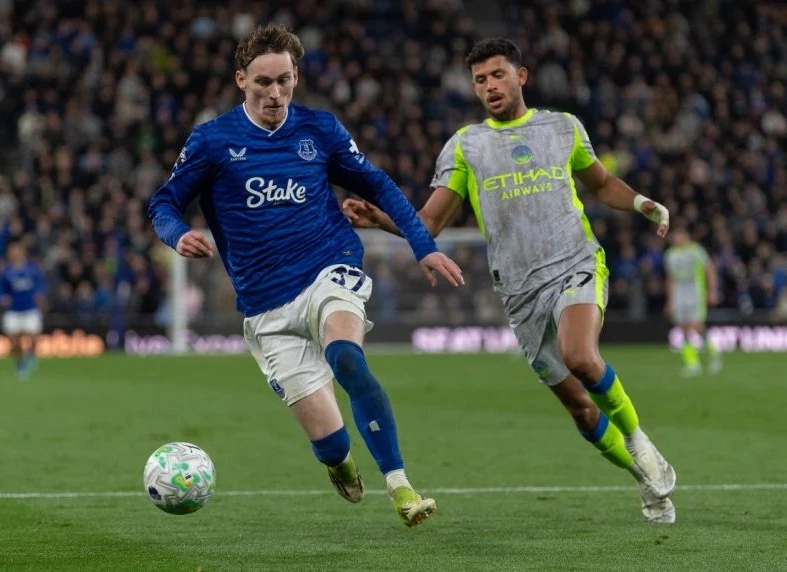
Gambling sponsorships in the Premier League may face another major shift as pressure grows over advertising deals involving betting and casino companies not licensed in the UK. The issue has become more visible as English football prepares for new restrictions on front-of-shirt gambling sponsorships.
Premier League clubs have already agreed to remove gambling brands from the front of match shirts from the next season. However, some industry voices now argue that the league and regulators should go further by limiting partnerships with operators that do not hold a licence from the UK Gambling Commission.
Why Premier League Gambling Sponsorships Are Under Review
For many years, football and gambling advertising have been closely connected. Betting brands have appeared on shirts, sleeve patches, stadium boards, digital screens and club partnership pages. This exposure has made Premier League football one of the most valuable marketing spaces for gambling companies.
The upcoming front-of-shirt ban is designed to reduce the visibility of gambling advertising during matches, especially for younger audiences and viewers who may be vulnerable to gambling-related harm.
Main Changes Being Discussed
- Premier League clubs will no longer use gambling companies as front-of-shirt sponsors.
- Gambling advertising may still appear on sleeves and inside stadiums.
- Some operators want stricter rules for unlicensed gambling brands.
- The Independent Football Regulator is being asked to review sponsorship standards.
- Clubs may face more scrutiny over who they accept sponsorship money from.
These changes show that the debate is no longer only about where gambling logos appear. It is also about which companies should be allowed to advertise through English football at all.
Entain Calls for Stronger Sponsorship Rules
Entain, the company behind Ladbrokes and Coral, has urged the Independent Football Regulator to prevent Premier League clubs from entering sponsorship deals with gambling businesses that are not licensed in the UK.
The company argues that football sponsorship can become a powerful customer acquisition channel for offshore or unlicensed gambling platforms. Entain’s position is that clubs should not provide visibility to operators that target UK audiences without holding local regulatory approval.
Current Advertising Situation
| Advertising Area | Current or Expected Status | Why It Matters |
|---|---|---|
| Front-of-shirt sponsorships | Expected to be removed for gambling brands | This is the most visible sponsor position during matches. |
| Sleeve sponsorships | Still expected to be allowed | Gambling brands may continue to appear on kits in a smaller format. |
| Stadium advertising | Likely to remain available | Bookmakers and gaming brands can still receive matchday exposure. |
| Unlicensed operator deals | Now facing increased pressure | Regulators may be asked to examine whether such deals should continue. |
The most important question is whether future rules will focus only on advertising placement or also on the regulatory status of the gambling companies involved.
Why Unlicensed Gambling Brands Are Controversial
A gambling company may operate legally in one jurisdiction but still lack permission to offer services in another. In the UK, gambling businesses that target local customers are generally expected to be licensed by the UK Gambling Commission.
Critics argue that when football clubs promote gambling brands without UK licences, the advertising may confuse fans and create an impression of legitimacy. This is especially sensitive when those brands are visible during high-profile Premier League matches.
Examples of Concerns Raised
- Fans may see gambling brands promoted through trusted football clubs.
- Unlicensed operators may use football exposure to reach UK audiences.
- Existing rules may not clearly define how these sponsorships should be treated.
- Licensed operators may face stricter standards than offshore competitors.
- Regulators may need to clarify what sponsorship income clubs can accept.
These concerns are part of a wider debate about gambling visibility in sport and the responsibilities clubs have when choosing commercial partners.
The Role of the Independent Football Regulator
The Independent Football Regulator is expected to play an important role in football governance. As part of its licensing regime consultation, the regulator has received industry feedback on how clubs should be supervised and what types of sponsorships may be considered appropriate.
Entain’s argument is that the regulator may already have enough authority to act if sponsorship income is connected to activity considered unlawful or harmful under UK standards.
Potential Outcomes for Clubs
| Possible Outcome | Impact on Premier League Clubs |
|---|---|
| No additional rule changes | Clubs may continue working with gambling brands as long as front-shirt rules are respected. |
| Stronger sponsorship checks | Clubs may need to review whether gambling partners hold UK licences. |
| Ban on unlicensed gambling sponsors | Some existing commercial deals could be affected or ended. |
| Broader gambling advertising restrictions | Advertising on sleeves, stadium boards or digital platforms may face future limits. |
Any stricter policy could have financial consequences for clubs, especially those that rely on gambling sponsorship income. At the same time, supporters of reform argue that football should not be used to promote brands that operate outside UK licensing rules.
Why Football Is Valuable for Gambling Companies
Football offers gambling brands huge visibility. Premier League matches are watched by millions of people in the UK and internationally, making sponsorships attractive for betting and casino operators.
- Club shirts are seen during every match broadcast.
- Stadium boards reach both live and television audiences.
- Club partnerships can create brand trust among fans.
- Football content is shared widely across social media.
- Sports betting audiences often overlap with football audiences.
This strong connection between football and betting is exactly why regulators and campaigners are paying closer attention to how gambling brands are promoted.
Black Market Gambling Concerns
Industry research cited in the debate suggests that unlicensed gambling operators may increase their marketing activity in UK sport. Some forecasts have warned that these businesses could account for a large share of sports sponsorships if tighter standards are not introduced.
The concern is that unlicensed platforms may benefit from football visibility while avoiding the same consumer protection, compliance and responsible gambling duties that apply to licensed UK operators.
What This Means for Fans
For fans, the issue may affect the brands they see on shirts, club websites and stadium advertising boards. If stricter rules are adopted, Premier League clubs may need to choose sponsors that meet clearer licensing and compliance standards.
It could also change how gambling advertising appears around football more broadly, especially if regulators decide that protecting supporters and younger viewers should take priority over commercial sponsorship income.
Final Thoughts
Premier League gambling advertising is entering a new stage. The front-of-shirt sponsorship ban is already a major change, but the debate is now expanding to include whether clubs should be allowed to partner with gambling companies that are not licensed in the UK.
Entain’s call for stronger restrictions adds pressure on regulators to clarify the rules before future seasons begin. If the Independent Football Regulator takes action, Premier League clubs may need to rethink their gambling partnerships, not only in terms of visibility but also in terms of licensing, compliance and public trust.