

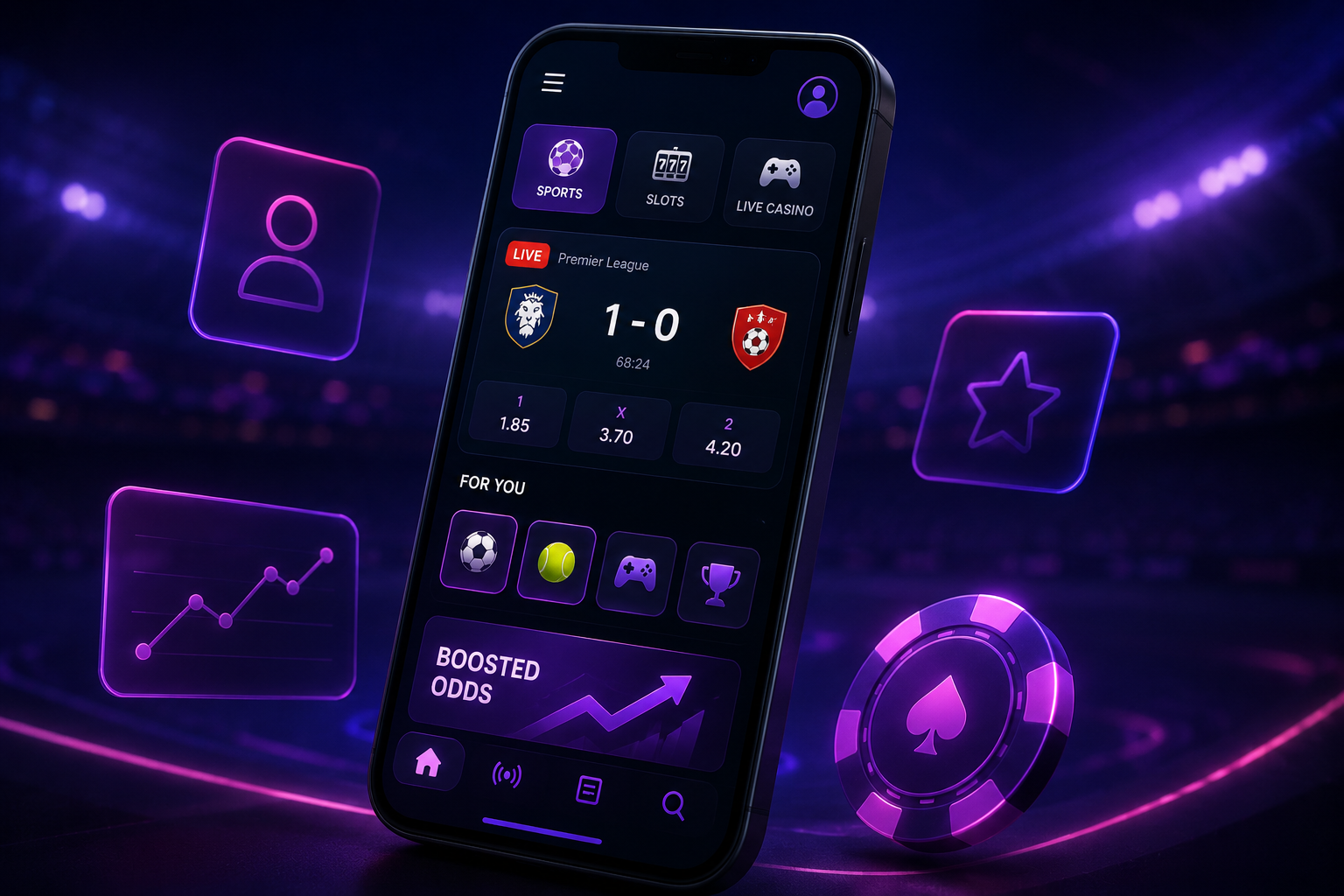
For years, online betting platforms delivered nearly identical experiences to every visitor. Whether someone preferred football, live casino games, esports, or horse racing, the interface remained largely the same. That approach is quickly disappearing. Modern operators are now using real-time interface personalization to create experiences that continuously adapt to individual betting habits, making navigation faster, recommendations more relevant, and the overall platform easier to use.
Rather than forcing players to search through hundreds of markets and promotions, sportsbooks increasingly organize information around each user’s behavior. The result is an interface that feels familiar from the moment the platform opens.
One Platform, Different Experience for Every User
Today’s betting platforms no longer assume every player wants the same homepage.
Someone who primarily wagers on football may immediately see upcoming fixtures, live odds, and betting markets related to their favorite leagues. Another player focused on casino games could instead be greeted with recently played slots, new releases, tournaments, and promotional offers tailored to gaming activity.
Although both users access the same website, the experience feels uniquely designed for their preferences.
Navigation That Learns From Behavior
Traditional sportsbook menus are built around fixed categories. While effective, they often require unnecessary browsing before users reach the markets they actually want.
Real-time personalization changes this by monitoring interaction patterns such as:
- Frequently visited sports
- Preferred betting markets
- Favorite leagues and competitions
- Typical betting times
- Recently viewed events
- Common navigation paths
Over time, menus naturally prioritize the sections players access most often, reducing unnecessary clicks.
Dynamic Home Screens Improve Efficiency
The homepage has become one of the most personalized parts of modern betting platforms. Instead of displaying identical banners and featured events for every visitor, dynamic homepages automatically update according to current interests.
A user following tennis tournaments during the afternoon may later return to find evening football fixtures prominently displayed, while another player sees live basketball events or casino tournaments based on recent activity. This flexibility keeps the interface relevant throughout the day.
Promotions Become Context-Aware
Personalization is also changing how promotional content is presented. Rather than promoting every available offer, betting platforms increasingly display bonuses that align with recent activity.
Examples include:
- Free bet promotions for frequently wagered sports
- Slot tournaments matching preferred game categories
- Live casino rewards after repeated table play
- Reload bonuses timed around regular deposit habits
- Event-specific offers linked to favorite competitions
Players spend less time filtering irrelevant promotions and more time discovering offers they are likely to use.
Real-Time Updates During Live Events
Live betting produces constant changes in available markets and odds. Personalization helps simplify these rapidly changing environments.
As matches progress, interfaces can prioritize:
- Markets previously selected
- Favorite betting types
- Frequently monitored statistics
- Preferred cash-out opportunities
- Recently viewed live events
Instead of overwhelming players with every available option, the interface highlights the information most relevant to their betting behavior.
Smarter Content Recommendations
Recommendation systems are evolving beyond simple “popular bets.” Modern betting platforms increasingly combine behavioral patterns with real-time activity to surface content that genuinely matches individual interests.
Recommendations may include:
- Upcoming sporting events
- Similar betting markets
- Newly available leagues
- Related casino titles
- Recently launched promotions
- Personalized educational content
This creates a more engaging experience without requiring users to manually search for everything.
Personalization Without Complexity
One challenge for designers is ensuring personalization improves usability rather than creating confusion.
Successful platforms keep core navigation consistent while adapting secondary content around each player’s preferences. Essential features remain easy to find, but frequently used tools become even more accessible. This balance preserves familiarity while reducing unnecessary navigation.
Privacy Remains a Key Consideration
As personalization becomes more sophisticated, transparency is increasingly important. Players expect platforms to explain how recommendations are generated and provide options to manage personalization settings. Giving users greater control helps build trust while allowing personalized experiences to remain genuinely useful rather than intrusive.
Operators that combine intelligent personalization with clear privacy controls are likely to gain stronger long-term loyalty.
The Future of Betting Interfaces
Real-time interface personalization represents a significant shift in sportsbook design. Instead of presenting identical layouts to millions of users, operators are creating adaptive environments that continuously evolve alongside individual preferences.
As artificial intelligence, behavioral analytics, and real-time data continue advancing, betting platforms will become increasingly responsive to the unique habits of every player. The future of online betting is unlikely to be defined by larger menus or more features—it will be shaped by interfaces that know exactly what users want to see before they even start looking.