

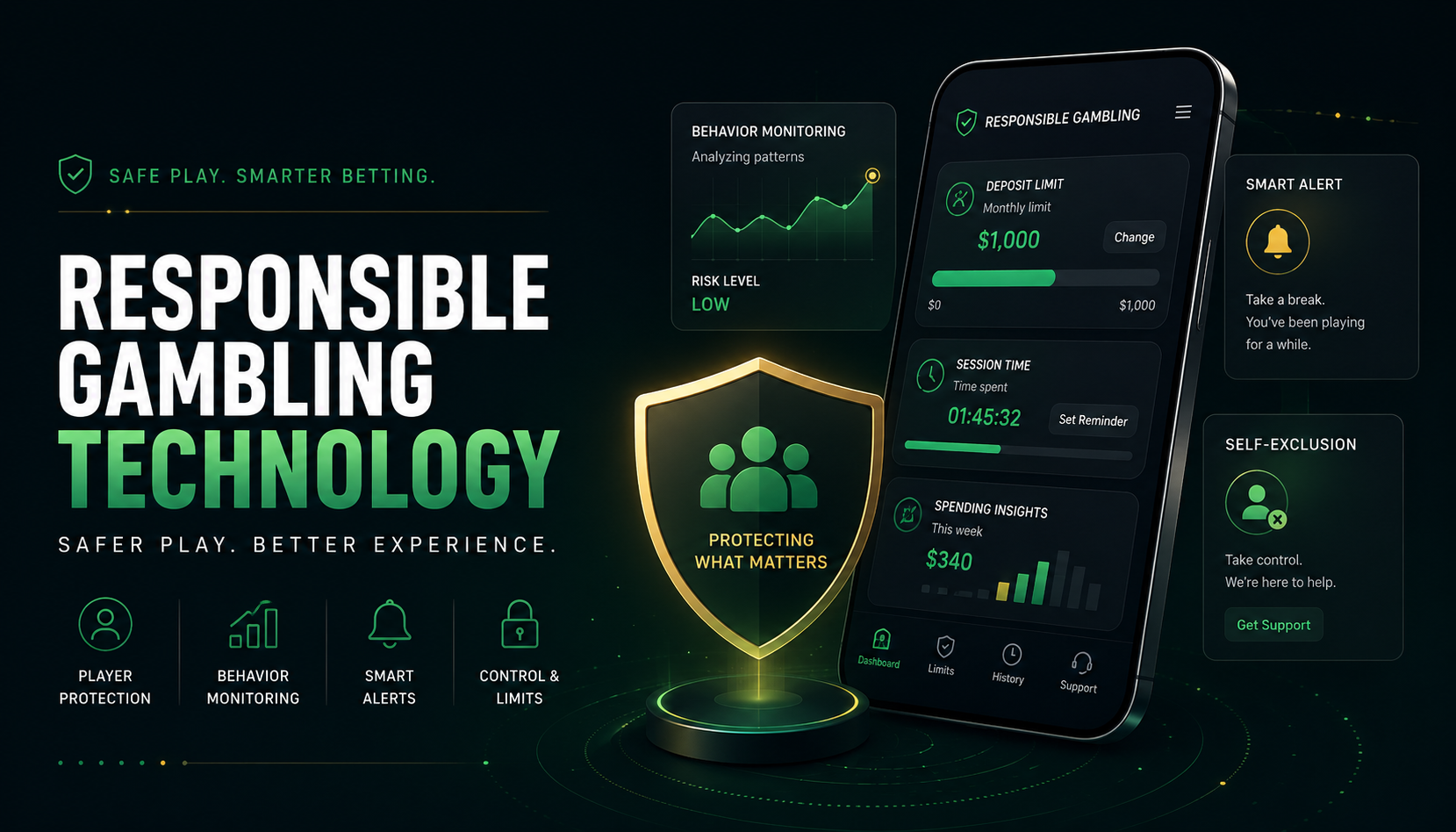
Responsible gambling has become one of the most important areas of innovation in the betting industry. While online sportsbooks and casinos continue to compete through new features, betting markets, and entertainment options, operators are also investing heavily in technology designed to promote safer gambling behavior.
In 2026, responsible gambling tools are becoming more sophisticated than ever. Instead of relying solely on basic deposit limits or self-exclusion programs, many platforms are introducing systems that can identify risk patterns, provide personalized alerts, and encourage healthier betting habits before problems develop.
As regulations become stricter and player protection expectations continue to rise, responsible gambling technology is evolving from a compliance requirement into a core part of the betting experience.
Why Traditional Responsible Gambling Tools Are No Longer Enough
For many years, responsible gambling programs focused on a few standard features:
- Deposit limits.
- Session reminders.
- Self-exclusion tools.
- Cooling-off periods.
- Reality checks.
These tools remain important, but they often rely on players taking action themselves. The challenge is that individuals experiencing gambling-related problems may not always recognize risky behavior early enough to use these features effectively.
This has encouraged operators to explore more proactive approaches.
| Traditional Tools | Modern Technology |
|---|---|
| User activated | Automated monitoring |
| Static limits | Dynamic assessments |
| Manual intervention | Early detection systems |
| Basic reminders | Behavioral insights |
| Fixed settings | Adaptive safeguards |
Platforms Are Monitoring Behavioral Patterns More Closely
Modern responsible gambling systems increasingly focus on behavioral analysis rather than simple spending limits. Operators can now identify patterns that may indicate elevated risk.
Examples include:
- Rapid increases in wagering activity.
- Longer-than-usual sessions.
- Frequent deposits within short periods.
- Attempts to recover losses quickly.
- Significant changes in betting behavior.
The goal is not to prevent gambling entirely but to identify unusual activity that may warrant additional support or intervention.
Personalized Alerts Are Becoming More Common
One of the biggest developments is the move toward personalized responsible gambling notifications. Rather than displaying generic warnings, some platforms now provide messages based on individual activity patterns.
These alerts may encourage users to:
- Review recent spending.
- Take short breaks.
- Set voluntary limits.
- Evaluate session duration.
- Access support resources.
Because these notifications are more relevant to the individual user, they may be more effective than traditional reminders.
Responsible Gambling Tools Are Becoming Easier to Use
A common criticism of older responsible gambling features was that they were difficult to locate or configure. Many operators are now redesigning these tools to improve accessibility.
Modern platforms increasingly provide:
| Feature | Benefit |
|---|---|
| Quick-access dashboards | Easier monitoring |
| One-click limit settings | Faster protection |
| Clear activity summaries | Better awareness |
| Simple self-exclusion options | Reduced friction |
| Real-time account insights | Improved transparency |
Making these tools visible and intuitive encourages more players to use them proactively.
Regulatory Pressure Is Accelerating Innovation
Governments and regulators around the world are paying closer attention to player protection standards. As a result, operators are investing more resources into responsible gambling infrastructure.
Several trends are influencing development:
- Enhanced compliance requirements.
- Greater transparency expectations.
- Improved reporting standards.
- Stronger consumer protection policies.
- Increased industry accountability.
These changes are encouraging operators to move beyond minimum requirements and adopt more advanced protection systems.
Technology Is Supporting Long-Term Sustainability
Responsible gambling initiatives are often viewed solely as player protection measures, but they also support long-term industry sustainability. A healthier betting environment benefits everyone involved.
Advantages include:
- Improved player trust.
- Better platform reputation.
- Stronger regulatory relationships.
- Reduced problem gambling risks.
- More sustainable customer engagement.
Operators increasingly recognize that long-term growth depends on maintaining a safe and responsible ecosystem.
What Responsible Gambling Could Look Like in the Future
The next generation of responsible gambling technology is likely to become even more sophisticated.
Potential developments include:
| Future Trend | Potential Impact |
|---|---|
| Real-time risk detection | Faster interventions |
| Enhanced behavioral analysis | Better player support |
| Personalized protection settings | Improved flexibility |
| Predictive monitoring tools | Earlier identification |
| Integrated wellbeing dashboards | Greater transparency |
These innovations could help create a more balanced relationship between entertainment and player protection.
Conclusion
Responsible gambling technology is becoming more advanced because operators, regulators, and players all recognize the importance of safer betting environments. Modern systems are moving beyond basic limits and reminders, introducing smarter tools that focus on behavioral patterns, personalized support, and proactive intervention.
As technology continues to evolve, responsible gambling features are likely to become an increasingly important part of how betting platforms operate, helping create a safer and more sustainable industry for everyone involved.