

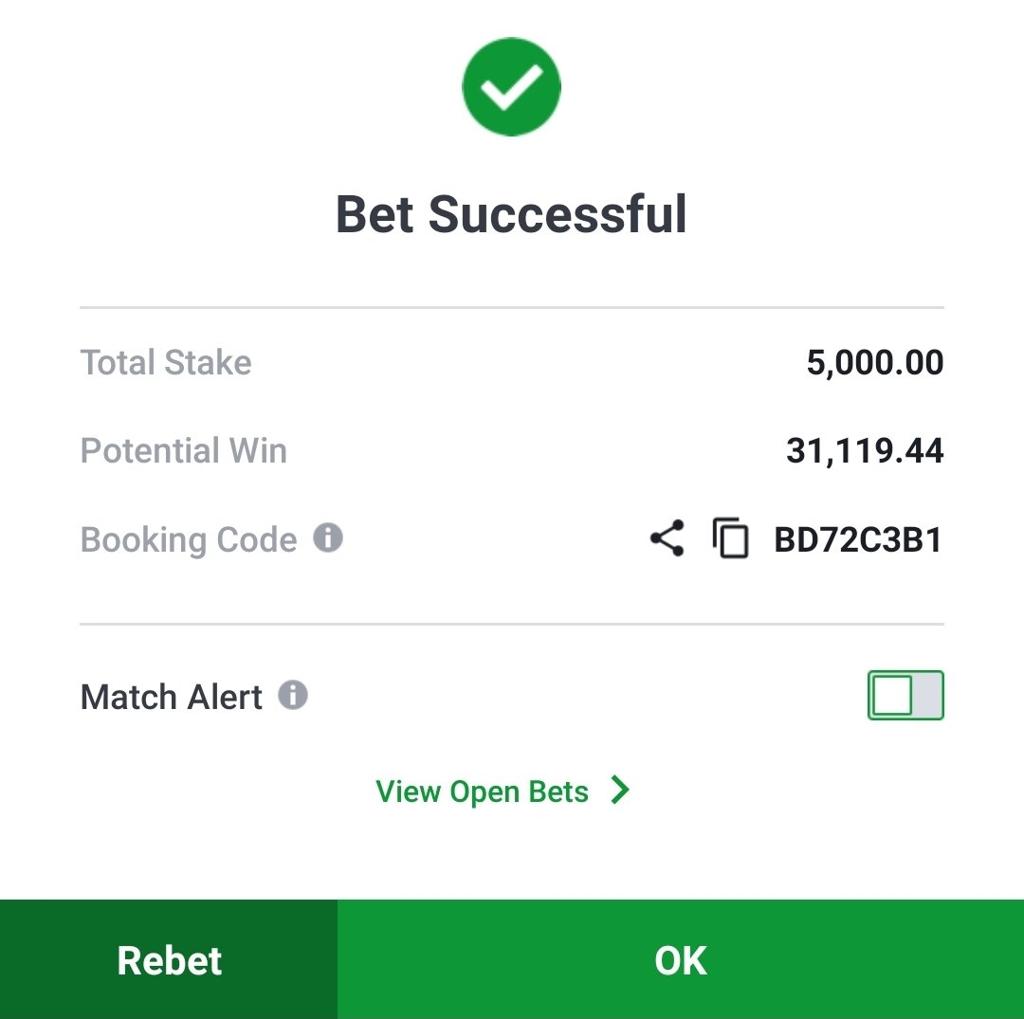
The few seconds after placing an online bet can be surprisingly important. The user has selected a market, entered a stake and received confirmation that the wager was accepted. At that point, the interface needs to answer a simple question: what exactly was placed?
A clear bet receipt provides that answer. Instead of showing only a brief success message, it can summarize the accepted selections, odds, stake, potential return and other relevant details in one place. This gives users an immediate opportunity to verify the wager without searching through account history.
Confirmation and a Receipt Are Not the Same Thing
A confirmation message tells the user that an action succeeded. A receipt explains what succeeded. The difference becomes important when several details can change during the placement process. Odds may move, a multiple may contain several selections, or a user may have several active bets on the same event.
A simple message such as “Bet placed successfully” confirms that the platform accepted something, but it does not provide enough information to verify the final wager.
A useful receipt can show the complete result immediately.
| Receipt detail | What it helps confirm |
|---|---|
| Selection | What outcome was backed |
| Market | Which betting condition applies |
| Accepted odds | Final price of the wager |
| Stake | Amount committed |
| Potential return | Possible payout under displayed conditions |
| Time | When the wager was accepted |
| Bet reference | Unique identifier for the wager |
Not every receipt needs to give each element equal visual weight. The important point is that essential information remains available and understandable.
Accepted Odds Need to Be Obvious
The odds displayed when a selection is added to a bet slip are not always the odds ultimately accepted. Prices can move between selection and confirmation, particularly during live events. Depending on the platform and account settings, a price change may require additional confirmation or may be accepted according to predefined preferences. Once the bet has been placed, the receipt should make the final accepted price clear.
This removes uncertainty about which odds apply to the wager. The user should not have to remember what appeared on the screen several seconds earlier or compare the receipt manually with a changing live market. The receipt becomes the record of the completed action rather than another snapshot of the current market.
Multiple Bets Need More Detail
A single wager is relatively easy to summarize. A multiple creates a larger information problem because several selections contribute to one bet. Showing only the combined odds and stake is not enough.
Users may want to confirm that every intended selection was included and that no unwanted selection remained in the bet slip. Each leg should therefore be identifiable without requiring the user to open several additional screens.
This becomes increasingly important as bet builders and other multi-selection formats become more common. A receipt may need to communicate several markets from the same event while keeping them visually separate. Good hierarchy helps here. The overall stake and potential return can remain prominent, while individual selections appear underneath in a structured list.
Reference Numbers Give a Bet a Clear Identity
Most betting systems assign some form of unique identifier to an accepted wager. For ordinary use, players may rarely need it. When a question arises, however, that reference becomes useful. Imagine that several similar wagers were placed during the same cricket match. Saying “the bet I placed around the 14th over” is less precise than referring to a unique record.
A visible bet reference makes it easier to distinguish one wager from another and can also simplify communication with customer support. The identifier does not need to dominate the screen. In many interfaces it can sit below the main information with a copy button beside it. The important part is making it accessible rather than hiding it several levels deep inside account history.
Timestamps Matter More During Live Betting
Time may look like a minor detail on a bet receipt, but live sport makes it more meaningful. Markets can change rapidly as a match develops. In cricket, a wicket, boundary or completed over can alter the state of several markets. In football, a goal or card can have a similar effect within seconds. A timestamp helps establish when the wager entered the system relative to those developments.
This does not mean the receipt needs to become a technical log. A clear local date and time is often enough for normal account use. Consistency matters as well. If account history displays time in one format while receipts use another timezone or convention, users can become confused when comparing records.
Potential Return Should Be Presented Carefully
Potential return is often one of the most visually prominent numbers on a betting receipt. It is useful, but the label needs to be precise. A user should be able to distinguish the amount staked from the amount that may be returned if the wager wins under its applicable conditions. Interfaces should avoid presenting a potential figure in a way that could be mistaken for money already credited.
The distinction becomes particularly important with multiples, bonuses or other situations where the final calculation may involve additional conditions. Clear labels are usually more effective than additional explanation. “Stake,” “Odds” and “Potential Return” communicate different concepts without requiring a long paragraph underneath the receipt. The goal is to make the completed wager understandable at a glance.
The Receipt Should Remain Accessible After It Disappears
A confirmation panel may remain on screen for only a few seconds. Once the user closes it, the information should not become difficult to recover. The accepted wager should appear in the relevant open-bets or account-history area using the same core information shown on the receipt.
Consistency between these views is important. If the confirmation screen uses one market name and the history page uses a completely different label, users may wonder whether they are looking at the same wager.
A useful design can also provide a direct shortcut such as “View My Bets” after confirmation. This allows someone who wants to continue browsing to dismiss the receipt immediately, while another user can move directly to the permanent record.
Receipts Are Particularly Important on Small Screens
Mobile interfaces have limited space, which makes prioritization essential. Trying to display every possible detail at once can create a dense confirmation panel that is harder to understand than the original bet slip. At the same time, reducing the receipt to a green checkmark removes information users may need.
A layered approach can solve the problem. The most important details — selection, accepted odds, stake and potential return — can remain visible immediately. Secondary information such as a reference number or detailed market conditions can appear underneath or inside an expandable section.
This keeps the receipt compact without turning it into an incomplete confirmation. It also reduces the need for horizontal tables, which generally perform poorly on narrow smartphone screens.
Clear Receipts Can Reduce Avoidable Support Questions
Many account questions begin with uncertainty rather than an actual technical problem. A user may wonder whether a wager was accepted, which odds applied, whether a particular selection was included or how much was staked. If those details are visible immediately after placement and remain accessible later, some questions can be answered without contacting support.
This does not eliminate genuine disputes or settlement questions. A receipt cannot explain every later event affecting a wager. Its role is narrower: provide an accurate record of what the platform accepted at the moment of placement. That makes the interface more transparent without requiring the user to understand the technical processes happening behind it.
A Successful Bet Should Leave a Clear Record
Betting interfaces often devote significant attention to everything that happens before the confirmation button: market discovery, odds, bet slips and stake controls. The experience immediately after placement deserves the same attention. A clear bet receipt closes the interaction properly.
It confirms the selection, records the accepted odds and stake, shows the relevant return information and gives the wager an identity that can be found again later. None of these elements is particularly complicated on its own, but together they remove ambiguity from an important moment.
The best receipt does not need to celebrate the action or fill the screen with animation. It simply needs to make the completed wager easy to verify. When users can immediately see what was accepted and find the same information later, the transition from placing a bet to managing it becomes considerably clearer.