

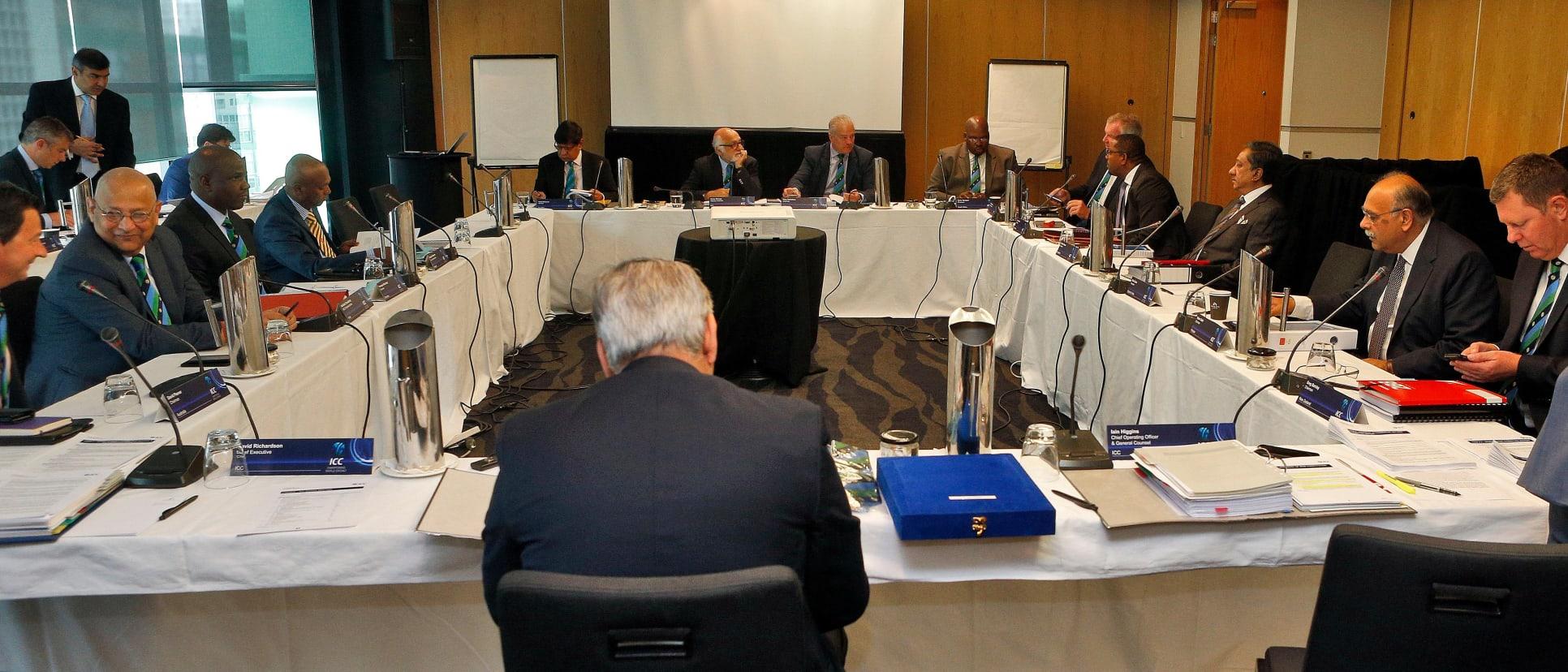
The International Cricket Council has opened its final round of Board and Committee meetings for 2026, bringing cricket administrators from around the world to Bali, Indonesia. The meetings began on November 11 and will continue until November 15, with discussions covering the future of the World Test Championship, international tournament scheduling, franchise league regulation and development pathways.
The gathering comes at an important time for international cricket. National boards must balance growing franchise competitions with international commitments, while the ICC continues exploring ways to make global tournaments more competitive and commercially sustainable. Decisions made over the coming years could affect how teams schedule matches, how players manage their commitments and how emerging cricket nations gain access to major events.
The ICC has outlined the subjects under consideration, but the meetings are still underway. No final decisions on future World Test Championship matchups or franchise league regulations have been announced as part of the opening statement.
When and Where Are the ICC Meetings Taking Place?
The meetings are being held in Bali from November 11 to 15, 2026. Eight ICC Committees are scheduled to participate, with the ICC and International Business Corporation (IBC) Board meetings concluding the programme.
Representatives from member cricket boards will examine proposals affecting international competitions, commercial arrangements and the sport’s development. The agenda also includes recommendations from groups established earlier in 2026 to review governance and franchise cricket.
| Meeting detail | Confirmed information |
|---|---|
| Organizer | International Cricket Council |
| Location | Bali, Indonesia |
| Dates | November 11–15, 2026 |
| Committees involved | Eight |
| World Test Championship | Proposed matchups for two future cycles |
| Men’s event calendar | Proposed windows for 2028–2035 |
| Franchise cricket | Initial regulatory review |
| Governance | Initial recommendations |
| Development | Qualification pathways and emerging nations |
The ICC has not published a complete set of final resolutions. The distinction between proposals and approved changes is especially important because several agenda items concern competitions that are still years away.
Future World Test Championship Cycles Under Discussion
One of the most significant agenda items concerns the World Test Championship for 2027–29 and 2029–31. The ICC has confirmed that proposed matchups for both cycles will be considered during the meetings.
The World Test Championship provides a competitive framework for international Test cricket, with participating teams accumulating points across a defined cycle. Its structure also creates scheduling challenges because national boards must accommodate Test series alongside limited-overs internationals and domestic competitions.
Planning future matchups well in advance helps boards coordinate touring commitments, venue availability and commercial agreements. It can also influence how frequently particular teams face one another during a championship cycle.
However, the Bali announcement does not confirm a revised points system, a new number of participating teams or changes to the championship’s qualification rules. Those details should not be presented as approved until the ICC releases its decisions.
Men’s Cricket Calendar Could Be Shaped Through 2035
The ICC will also consider proposed event windows for established major men’s competitions between 2028 and 2035. This long-term planning process is important because international cricket operates across multiple formats, with major tournaments requiring significant preparation from host countries and participating teams.
Tournament windows affect far more than match dates. They influence broadcasting arrangements, stadium availability, sponsorship agreements and the scheduling of bilateral series. National boards also need sufficient notice to prepare their domestic calendars and player development programmes.
A more predictable international schedule could help administrators reduce conflicts between competitions. Nevertheless, the ICC has not announced a completed calendar for the entire 2028–2035 period.
The meetings are intended to review proposed windows, meaning the eventual schedule may differ from the options currently being considered.
Franchise League Regulations Face a New Review
The growth of franchise cricket is another major subject in Bali. The Franchise League Review Group, established at the ICC Annual Conference in July 2026, will present its initial feedback.
Franchise competitions have created new commercial opportunities and expanded the audience for short-format cricket. At the same time, their increasing number has raised questions about scheduling conflicts, player availability and the relationship between privately organized leagues and national cricket boards.
The review group is examining ways to strengthen the ICC’s existing framework for sanctioning franchise competitions. Its work is intended to address challenges emerging from the expansion of the franchise cricket ecosystem.
The opening announcement does not specify new restrictions, ownership rules or player participation requirements. Any such measures would need separate confirmation before being described as official policy.
Cricket Governance Also on the Agenda
Alongside franchise cricket, the Governance Review Committee will report its initial recommendations. This committee was also established during the ICC Annual Conference in July 2026 and has been examining the organization’s governance arrangements.
Governance reviews can involve questions about accountability, decision-making structures and the responsibilities of different bodies. However, the ICC’s November announcement does not provide a detailed list of the committee’s recommendations.
For member nations, governance arrangements matter because they influence how international cricket priorities are established and how competing interests are represented. The outcomes could have implications for future administration, but those implications cannot be assessed until the recommendations and any decisions are made public.
The Bali meetings therefore represent a stage in the review process rather than confirmation of a completed governance reform.
Development Pathways and Women’s Cricket
The ICC Development Committee will consider qualification frameworks designed to make international competition more meaningful for emerging cricket nations. These discussions form part of the organization’s broader effort to expand participation and strengthen competitive pathways.
The agenda also includes proposed next steps for the Development Pathway Programme involving Afghan refugee women cricketers. A dedicated task force will present its recommendations to the ICC Board.
These subjects demonstrate that the meetings are not limited to major men’s tournaments. The ICC is also considering how to support players and national programmes that face different challenges in accessing international competition.
Another item concerns the ICC’s Decision Review System accreditation programme. The Chief Executives’ Committee and ICC Board will consider this subject, although the opening announcement does not confirm any changes to DRS technology or match regulations.
Why Bali Is an Important Host Location
The decision to hold the meetings in Indonesia also highlights the country’s growing involvement in international cricket. According to the ICC, Indonesia’s men’s national team played more T20 internationals than any other country during 2025.
The country’s women’s cricket programme has also reached important milestones. Its senior women’s team made its Women’s Asia Cup debut in 2026, while the Under-19 women’s side qualified for the Under-19 Asia Cup for the first time.
Indonesia is investing in cricket infrastructure, including the development of the Bali International Oval. The venue is expected to host the ICC Women’s T20 World Cup East Asia-Pacific Qualifier in 2027.
These developments help explain the significance of bringing senior cricket administrators to Bali. Hosting the meetings provides an opportunity to recognize the country’s progress while drawing attention to the sport’s potential in Southeast Asia.
What Happens After the ICC Meetings?
The most important next step will be the publication of confirmed decisions following the conclusion of the meetings on November 15. Several proposals could influence international cricket, but their exact effects will depend on what the ICC Board approves.
The developments worth watching include:
- Confirmation of future World Test Championship matchups.
- Approval or revision of proposed men’s tournament windows.
- Outcomes from the franchise league regulatory review.
- Recommendations concerning ICC governance.
- Decisions on development pathways and DRS accreditation.
Some subjects may require further consultation rather than immediate decisions. A proposal being discussed in Bali does not necessarily mean that a new regulation or competition structure will take effect.
A Significant Week for International Cricket
The November 2026 ICC meetings bring several important issues into one discussion, from the future of Test cricket to the expansion of franchise leagues and opportunities for emerging nations. The decisions could influence how international competitions are organized well into the next decade.
For now, the confirmed development is the start of the five-day meeting programme and its published agenda. The outcomes remain pending, making it important to distinguish the ICC’s plans from changes that have already been approved.
With the meetings scheduled to conclude on November 15, cricket administrators, players and supporters will be watching for official announcements that clarify the next stage of the sport’s development.