

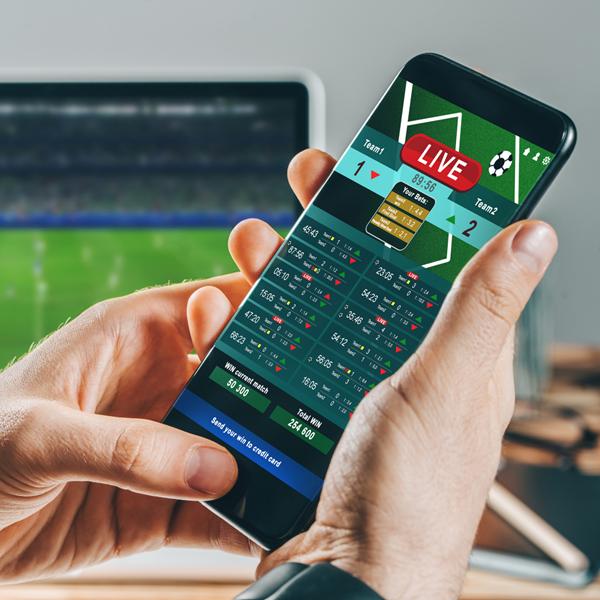
Placing a sports bet once felt almost instantaneous. A user selected an outcome, entered a stake and pressed the confirmation button. On modern live betting platforms, however, the process behind that simple action can be much more complicated. Odds may change in seconds, markets can pause after important events, and the sportsbook may need a short period to verify whether a wager can still be accepted at the displayed price.
That is why bet acceptance timers and clearer confirmation states are becoming a more visible part of sportsbook interfaces. Instead of leaving users wondering whether a bet has been placed, platforms are increasingly showing what is happening between the moment a user presses “Place Bet” and the moment the wager officially appears in the account.
Live Betting Has Made Confirmation More Complex
Pre-match betting usually operates in a relatively stable environment. Odds still move, but the underlying event is not changing every second. Live betting is different. A goal, penalty, wicket, point or red card can immediately change the probability of an outcome, forcing the trading system to recalculate prices or temporarily suspend a market.
Behind the interface, several systems may be involved before a live bet is accepted. Event data has to reach the sportsbook, odds need to be updated, the current market state must be verified and the bet itself has to pass through the acceptance layer. Each stage can introduce a small delay. For the user, these technical processes are invisible. Without clear feedback, even a two- or three-second delay can create uncertainty.
A Spinning Button Is No Longer Enough
Older betting interfaces often used a simple loading icon after a bet was submitted. The problem is that a loading symbol does not explain what is actually happening. Users cannot tell whether the sportsbook is checking the price, waiting for a market to reopen, processing the wager or struggling with a connection problem.
More informative interfaces can separate these stages. A platform may show messages such as “Submitting bet,” “Checking latest odds,” “Awaiting confirmation” or “Bet accepted.” This creates a clearer sequence and reduces the chance that a bettor presses the button repeatedly because they believe nothing happened.
The improvement looks small, but it addresses one of the most sensitive moments in the betting journey: the point where a user expects a financial transaction to be confirmed.
Odds Changes Need to Be Explained at the Right Moment
Live odds can change between selection and confirmation. When this happens, the sportsbook has to decide whether the wager can be accepted at the original price, presented at the updated price or rejected.
The interface therefore needs to distinguish an ordinary delay from an actual odds change. A message such as “Odds changed from 2.10 to 1.95” gives the bettor useful information, while a generic “Please try again” message does not.
Some platforms also allow users to choose whether they automatically accept certain price changes. That can make bet placement faster, but the setting needs to be clearly communicated because automatically accepting new odds changes the final conditions of the wager.
Timers Can Reduce Repeated Bet Submissions
One practical benefit of visible acceptance states is the reduction of duplicate actions. When users do not know whether a tap has registered, they may press the confirmation button several times.
A visible timer or progress state tells the user that the sportsbook is actively processing the request. The bettor is therefore less likely to resubmit the same action or leave the bet slip before the result appears.
This type of feedback has become particularly important on mobile devices, where connectivity can fluctuate and users often interact with the platform while simultaneously following a live match.
Faster Is Important, but Predictability Matters Too
Sportsbook UX discussions increasingly focus on speed. Modern bettors expect markets, search, bet slips and live information to react quickly, and industry discussions in 2026 continue to identify speed and responsive interfaces as major competitive factors.
However, absolute speed is not the only measure of a good experience. A three-second confirmation that clearly explains its status may feel better than an unpredictable interface that sometimes responds instantly and sometimes appears frozen. Predictability creates confidence. Users know that their request has been received, they understand why the system is waiting and they can see when the process is complete.
Acceptance States Matter Most During Fast-Moving Events
The value of these systems becomes obvious during high-intensity live moments. Football markets may move after a dangerous attack, tennis odds can change after every point, and cricket markets can react immediately to wickets, boundaries or changes in required run rate.
In these situations, the sportsbook is constantly balancing speed against the need to confirm that the market is still valid. Live betting already depends heavily on real-time data and low-latency infrastructure, which means the interface has to communicate changes that are happening behind the scenes extremely quickly. A well-designed acceptance indicator acts as a bridge between the technical trading system and the user.
Clear Confirmation Also Helps With Bet History
The acceptance process does not end when a button changes colour. Bettors also need to know whether the wager has successfully entered their open bets or bet history.
Modern platforms can reinforce confirmation by immediately showing the accepted stake, final odds, potential return and bet reference. This creates a clear record of what was actually submitted. For live betting especially, that final confirmation matters because the odds shown a few seconds earlier may no longer be the odds attached to the accepted wager.
The Bet Slip Is Becoming a Real-Time Communication Tool
The modern bet slip is no longer just a place where users enter a stake. It increasingly acts as a live communication layer between the sportsbook and the bettor.
It can show changing prices, unavailable selections, market suspensions, acceptance delays and final confirmation. As sportsbook products become more complex, this type of immediate feedback becomes more valuable because it helps users understand what is happening without forcing them to leave the bet slip and search for an explanation elsewhere.
Industry discussions around sportsbook UX in 2026 similarly point toward more responsive, contextual and real-time interfaces rather than static menu-driven experiences.
What Better Bet Acceptance Could Look Like
The strongest implementations are likely to avoid unnecessary complexity. Users do not need to see every technical stage inside a sportsbook backend. They simply need enough information to understand the status of their wager.
A useful flow might show that the bet has been submitted, indicate when the latest odds are being checked, warn if the price changes and then provide a clear accepted or rejected state. The entire process should happen inside the same interface instead of relying on vague pop-ups or disappearing notifications. That approach makes the sportsbook feel more dependable even when a live market is moving quickly.
Transparency Is Becoming Part of Betting UX
Bet acceptance timers may appear to be a minor interface detail, but they reflect a broader change in online betting design. Platforms are gradually exposing more of the information that used to remain hidden behind a single confirmation button.
As live betting becomes faster and technically more demanding, users need to know whether a wager is pending, repriced, rejected or confirmed. Clear acceptance states solve that problem without requiring bettors to understand the technology underneath. The result is a betting experience that feels less uncertain during the exact moment when clarity matters most.