

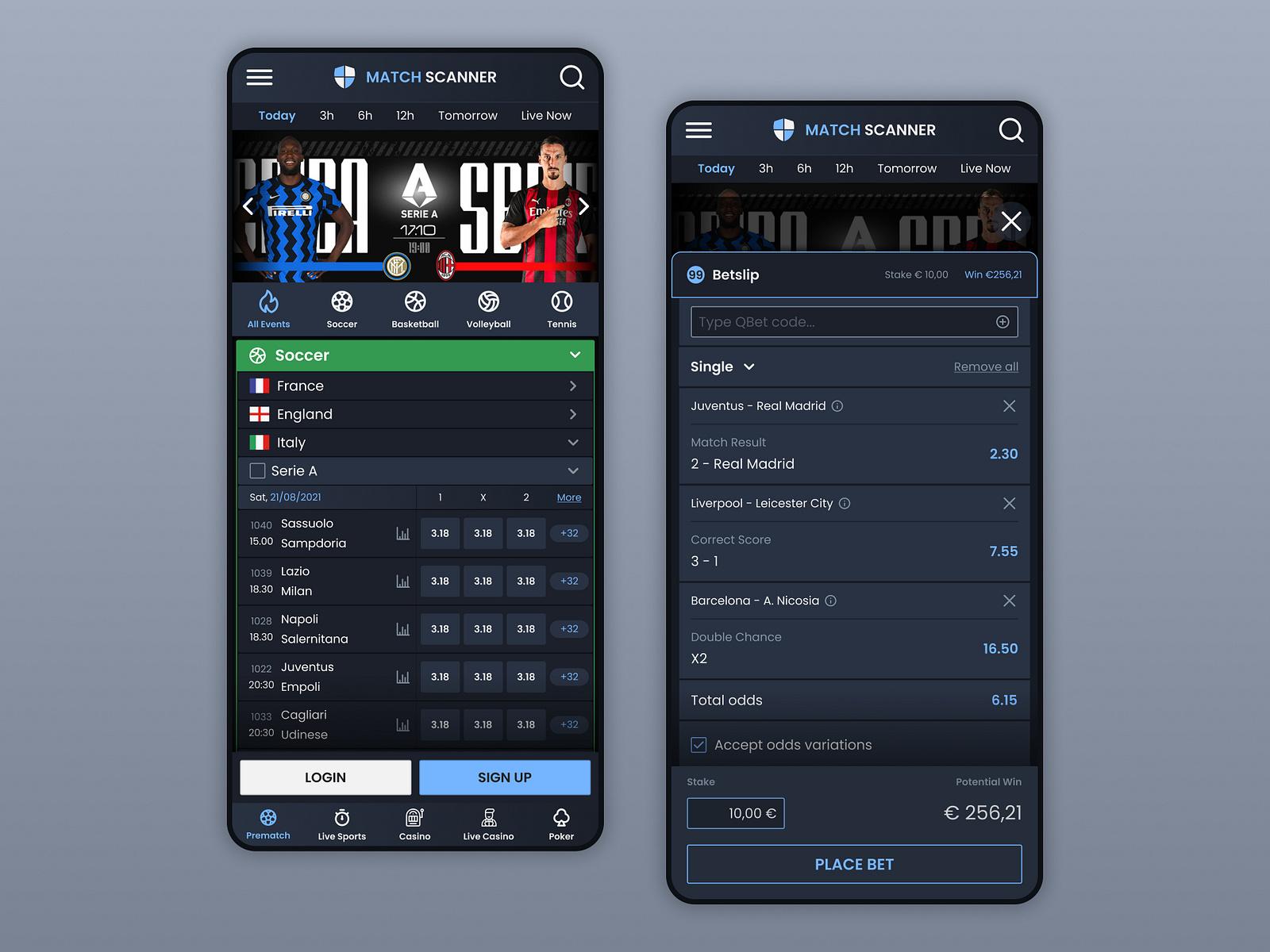
Two betting markets can look almost identical on screen while following different settlement rules. A football market may include extra time or stop after 90 minutes. A basketball player prop may require the athlete to start, appear on court or simply take part at some point. A tennis bet can depend on what happens when a player retires before the match finishes.
Those details rarely occupy much space in the interface, yet they can completely change how a bet is settled. That is why market rules are becoming a more important part of betting platform design. Instead of treating rules as something hidden inside a long terms page, better interfaces can place the relevant information much closer to the decision itself.
The market name cannot explain everything
A sportsbook has very little space to describe a market. Labels such as “Match Winner,” “Total Goals,” “Player Shots” or “First Goalscorer” need to remain short enough to scan quickly, particularly on mobile screens. The name tells the bettor what the market is broadly about, but it cannot describe every condition attached to settlement.
Consider a football match winner market. A user still may need to know whether it covers:
- regulation time only;
- extra time;
- penalties;
- an abandoned match;
- a postponed fixture.
The visible selection might simply show a team name and odds. This creates a gap between the simplicity of the interface and the complexity of the underlying market. Market rules fill that gap.
Small differences can produce completely different outcomes
The importance of rules becomes clearer when two similar-looking markets are compared.
| Market | Detail that can matter |
|---|---|
| Football match result | Whether extra time counts |
| Player goalscorer | Participation requirements |
| Basketball player points | Minimum appearance conditions |
| Tennis match winner | Retirement rules |
| Cricket player runs | Whether the player must bat |
| Total cards | Which cards and participants count |
| Motor racing winner | Classification requirements |
A bettor who understands the market name but misses one of these conditions may expect a different result from the one produced by the platform. The problem is not necessarily that the settlement itself was incorrect. The user may simply have interpreted the market differently. Clear rules reduce that ambiguity before money is committed.
Mobile betting makes buried rules harder to use
Desktop betting sites once had enough screen space for sidebars, expandable panels and persistent navigation. Mobile betting compresses most of that information into a much smaller interface. The challenge is deciding what remains visible. Odds naturally receive priority. So do team names, markets, stake controls and the bet slip. Detailed rules can easily end up several taps away.
Putting every condition directly underneath every selection would create the opposite problem. The interface would become difficult to scan. The more practical approach is progressive disclosure: show the essential market information first and make detailed conditions available exactly where users are likely to need them. A small information icon beside a market name can be more useful than expecting someone to leave the event, open a general rules page and search through dozens of sports.
Rules are most useful before the bet enters the slip
Timing matters. A detailed explanation shown after settlement can explain what happened, but it cannot help the user make the original decision. The most valuable moment for market-specific information is before confirmation.
Imagine a player selecting a tennis market involving a match where retirement rules could affect settlement. If those conditions are available directly from the market, the user can check them before adding a meaningful stake. The same applies to player props. A market may look straightforward until participation requirements become relevant.
This suggests a useful principle for betting UX:
The closer a rule is to changing the meaning of a selection, the closer it should appear to that selection. General terms can remain in a central rules section. Market-defining conditions deserve more immediate visibility.
Player markets make clarity particularly important
Player props create a large number of possible edge cases because settlement can depend on participation. Suppose a football player is listed in a goalscorer market but never enters the match. Another player enters as a substitute for ten minutes. A third starts but leaves early because of injury. Depending on the market and operator rules, those situations may not always be treated identically. Similar questions appear across sports.
In basketball, does a listed player need to appear on court? In cricket, what happens if a batter never reaches the crease? In baseball, does a starting pitcher market remain valid after a late lineup change? Users should not have to understand the entire rulebook to place a routine bet. They should, however, have quick access to the conditions that can realistically affect that particular selection.
Live markets add another layer of complexity
In-play betting moves much faster than pre-match betting. Odds change, markets suspend and reopen, scores update, and new selections appear as the event develops. That speed makes concise rule communication even more important. A market such as “next team to score” may seem self-explanatory, but other live markets can depend on a specific period, game, set, over or time window.
A user scanning quickly needs to distinguish between:
“next goal”
and:
“next goal in this period.”
One phrase changes the entire scope of the bet. This is where precise naming and accessible rules need to work together. The market title should communicate as much as reasonably possible, while additional conditions remain one tap away.
Settlement disputes often begin as expectation gaps
When users question a settled bet, the disagreement is often framed around the final result:
“Why was this void?”
“Why did this lose?”
“Why did extra time not count?”
“Why was the player selection cancelled?”
But the underlying issue may have started much earlier. The bettor and the platform were operating with different interpretations of what the market covered. Clear pre-bet rules cannot eliminate every dispute. Sporting events create unusual situations, and some cases genuinely require detailed settlement procedures. But removing avoidable ambiguity can make the eventual outcome easier to understand. If the relevant condition was clearly available before the bet, the settlement feels less arbitrary.
A good rule panel should answer the immediate question
More information is not automatically better information. Opening an information icon beside a football cards market should not send the user into a 15,000-word document covering every sport offered by the platform. The immediate explanation should answer the questions most relevant to that market.
For example:
Settlement period: 90 minutes plus stoppage time.
Extra time: Does not count.
Cards included: Yellow and red cards according to stated market conditions.
Non-players: Treatment of cards shown to substitutes or staff should be specified where relevant.
This is far easier to understand than presenting a generic legal document. A link to the complete betting rules can still sit underneath for users who need more detail.
Consistent wording matters across the platform
Rules become confusing when the same concept receives different names in different parts of a sportsbook. One event might say “90 mins,” another “regular time,” and a third “excluding extra time.” These phrases may refer to the same settlement period, but switching terminology forces users to interpret them repeatedly. Consistency reduces that mental work.
Platforms can standardize common conditions such as:
- regulation time;
- extra time included;
- overtime included;
- player must participate;
- player must start;
- dead heat rules apply;
- void if event is abandoned.
Once users recognize these labels, they can scan markets more efficiently.
Rules can become contextual instead of static
Traditional betting rules behave like reference manuals. Users visit them only when something goes wrong or when they have a very specific question. Modern interfaces can treat rules differently. Instead of keeping all information in one static destination, the platform can surface the relevant fragment when context makes it useful.
A player prop can display participation conditions. A futures market can expose dead-heat information. A live period market can clarify exactly when settlement stops. This does not require showing more information everywhere. It requires showing the right information in the right place. That distinction is important because betting interfaces already contain a large amount of data. Adding permanent text to every market would make them harder to use.
Clearer rules also make unusual outcomes easier to explain
Most bets settle in predictable circumstances. The difficult UX moments appear when something unusual happens.
A match is abandoned.
A player withdraws.
A race ends with a tie.
A fixture moves to another date.
A competitor starts but does not finish.
These events test whether the platform communicated its rules clearly enough. When a user can return to the selection and understand which rule determined the outcome, settlement becomes easier to follow. The platform does not have to rely entirely on customer support to explain routine rule applications. That can turn the market itself into a useful reference point rather than making the bet history the only place where users search for answers.
Betting interfaces are moving from availability to explanation
For years, sportsbook competition focused heavily on offering more markets. A football match that once contained dozens of selections can now contain hundreds.
That expansion creates a new problem: availability alone is no longer enough. As market menus become deeper, users need better ways to understand exactly what each selection represents. Search, filtering and navigation help people find markets. Clear rules help them understand what they have found.
The distinction matters. A bettor should ideally know three things before confirming a selection: what needs to happen for it to win, what period or participants are included, and which unusual conditions could cause it to be void or settled differently.
When those answers are easy to find, the interface becomes easier to trust and easier to use. Clear market rules may look like a minor UX feature beside live statistics, changing odds and complex bet builders. In practice, they solve one of the most basic problems in online betting: making sure the user and the platform mean the same thing when a bet is placed.