

A betting market can remain available for hours before one piece of team news suddenly changes the context around it. A key player is ruled out, a regular starter moves to the bench or the final lineup looks noticeably different from the expected one. The odds may react quickly, yet a user looking only at the market prices can easily miss what changed.
This is why confirmed lineups and player availability are becoming useful pieces of information inside betting interfaces. They do not tell users what will happen in a match, and a confirmed starting team should never be treated as a prediction. What they can do is make the situation easier to understand by separating expectations from information that has actually been confirmed.
Expected and confirmed lineups are not the same thing
Before an event, sports platforms frequently have enough information to display a probable or expected lineup. That can be useful, but problems begin when the interface makes provisional information look definitive.
An expected lineup is essentially a working picture based on available information. A confirmed lineup has a different status because the participating team or relevant competition source has officially established who will start. Mixing the two can leave users believing a player is definitely involved when their participation remains uncertain.
A clearer interface makes the distinction visible rather than burying it inside a small label. “Expected,” “probable” and “confirmed” should not look interchangeable, particularly during the period immediately before an event when team information can change quickly.
That distinction becomes even more useful on mobile screens. Users may open an event, scan it for several seconds and move directly to the markets. They should not need to investigate several menus simply to discover whether the lineup on screen is official.
Player availability gives context to a market
Odds provide a price, but they do not explain every piece of information surrounding that price. Player availability can supply some of the missing context.
A football club without its usual goalkeeper, a tennis player returning after an absence or a cricket team changing an important part of its batting order can all alter how users interpret an upcoming event. This does not mean a platform should attempt to predict the impact of every absence. In many cases, simply presenting the status accurately is enough.
A useful availability panel might distinguish between several situations:
| Player status | What the interface can communicate |
|---|---|
| Confirmed starter | Player is included in the official starting lineup |
| Substitute / bench | Available but not starting |
| Doubtful | Participation remains uncertain |
| Injured | Reported unavailable because of injury |
| Suspended | Cannot participate under competition rules |
| Withdrawn | Removed from the event or squad |
| Expected | Appears in a projected lineup but is not yet confirmed |
This vocabulary matters because “not starting” does not necessarily mean “unavailable.” A substitute can still participate later, while an injured or suspended player represents a different situation entirely.
Late changes are where clarity matters most
Lineup information becomes especially valuable close to the start of an event. Users may have looked at a match earlier in the day and return shortly before it begins, when the available information is much more complete.
If the platform simply replaces the old lineup with the new one, the user sees the current state but may not realize that anything changed. Highlighting a recent update can make the interface considerably easier to understand.
The notification does not need to be dramatic. A small “Lineup confirmed” timestamp or a marker beside a newly unavailable player can be enough. The goal is not to push users toward a betting decision but to make new information distinguishable from information they have already seen.
This follows a broader change in betting UX: users increasingly need to understand not only what the current state is, but also what has changed since they last looked.
Cricket makes lineup information particularly interesting
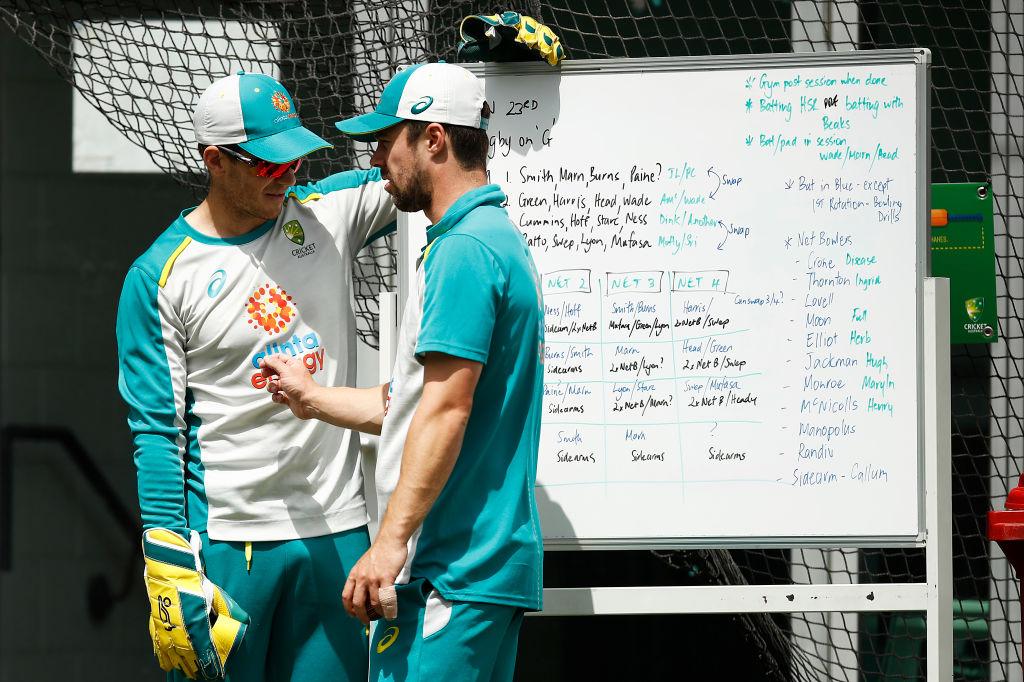
Cricket provides a good example because team selection can influence several parts of an event at once. A change to the batting order, wicketkeeper, bowling options or all-rounder selection may be relevant to users following different markets.
The value of the interface comes from organizing those details clearly. Instead of presenting eleven names in a flat list, a platform can identify roles and make late changes visible. Someone checking the match shortly before play can then understand the team structure without leaving the event page to search for another source.
The toss creates another useful moment for information updates. Depending on the format and competition, users may be interested in the confirmed teams alongside the toss result and decision. These details belong naturally near the event information because they describe the conditions under which the match is about to begin.
They still should not be framed as guarantees. A strong batting lineup can underperform, while an unexpected selection can perform exceptionally well. Lineup information explains who is participating; it does not determine the result.
Football presents a different interface challenge
Football lineups contain additional spatial information. Knowing that eleven players are starting is useful, but seeing their expected positions can make the information much easier to read.
A formation view can communicate this quickly. Instead of scrolling through a list, users see players arranged approximately by goalkeeper, defence, midfield and attack. Substitutes can remain in a separate section underneath.
The difficulty comes when platforms treat the formation as more certain than it really is. A starting XI can be officially confirmed while the exact tactical shape remains an interpretation. Players may also switch positions during the match.
Good design therefore distinguishes hard information from presentation. The player selection may be confirmed; the exact tactical role shown on a graphic may still be an approximation.
Tennis needs availability information without a lineup
Not every sport has a starting team. Tennis demonstrates why player-status design needs to work beyond conventional lineup pages. Before a match, the most relevant information may concern whether the player is still scheduled to compete, whether a withdrawal has been announced or whether an opponent has changed. Doubles events introduce another layer because a partnership itself can change.
This suggests that platforms benefit from treating “player availability” as the broader system and “confirmed lineup” as one way of presenting it for team sports. The same underlying status model can then adapt to cricket, football, basketball, tennis and other events without forcing every sport into an identical visual format.
Lineup changes and odds movement should remain separate
There is an obvious relationship between team news and market prices. A significant absence can coincide with changing odds, and users may naturally compare the timing of both.
However, betting platforms should be careful about presenting a direct causal claim unless that relationship is actually known. An odd may have moved after a lineup announcement, but other market activity or information may have contributed at the same time. A more transparent design keeps the two histories visible without pretending to explain more than it can.
For example, an event timeline could show that the lineup was confirmed at 18:02 and that a market price changed at 18:04. Users receive the sequence of events, but the interface does not automatically tell them that one definitely caused the other. This distinction keeps factual event information separate from interpretation.
Timestamps prevent old information from looking current
A lineup without a timestamp creates an immediate question: when was this information updated? This becomes particularly important when users return to an event page that has remained open in a browser or app. They may assume the information on screen is current even though it was loaded earlier.
Showing a simple update time reduces that uncertainty. If the lineup was confirmed at 17:45, the interface can say so. If an injury status was updated later, that status can carry its own timestamp where appropriate. The exact design can vary, but the principle is straightforward: information that changes over time becomes more trustworthy when users can see how recent it is.
Notifications can help without becoming excessive
Some users actively follow lineup announcements because they want to check an event only when official team information becomes available. A notification option can save them from repeatedly refreshing the same page. The challenge is avoiding notification overload. Sending an alert for every small squad update across every followed event would quickly become irritating.
More useful controls allow users to choose what matters. Someone might request an alert only when the official starting lineup is confirmed, while another person may want updates when a specific player is ruled out. That approach makes notifications purposeful rather than promotional. The platform is responding to an information preference the user selected.
Mobile design needs a clear information hierarchy
A desktop event page can display markets, statistics, team information, form and lineups simultaneously. Mobile interfaces have much less room, so simply adding another large section can make the page harder to navigate.
A compact hierarchy works better. The event header can display a small “Lineups confirmed” status, while tapping it opens the full team information. Important late changes can receive a subtle marker without forcing the entire lineup permanently onto the betting screen.
The order also matters. Users looking for team information should not have to scroll through dozens of markets before finding it. A tab or expandable section near match details provides faster access while keeping the main interface manageable. The strongest mobile design does not necessarily show more information. It makes the right information easier to reach.
Search and filtering can help with large event schedules
Player availability becomes harder to follow when a platform offers dozens or hundreds of events. Users may care about lineup confirmation for only a handful of matches.
Filters can reduce that noise. A schedule might allow users to identify events where lineups have been confirmed or highlight followed teams separately. Search can also make it easier to locate a particular player when large squads are involved.
This becomes particularly useful during busy football weekends or tournament schedules when many events reach the lineup-confirmation stage within a short period.
Instead of requiring users to open every event individually, the platform can expose the status at schedule level and let them decide which matches deserve closer attention.
Corrections need to be visible too
Sports data is not immune to mistakes. A player can initially be listed incorrectly, a data feed may update late or an official announcement can be amended.
Silently changing the information solves the immediate display problem but creates confusion for users who saw the earlier version. A small correction marker or updated timestamp can make the change easier to understand.
This is particularly important when betting platforms increasingly present themselves as information interfaces rather than simple lists of markets. Once users rely on the platform for team news, the quality of corrections becomes part of the overall experience. Accuracy matters, but transparent correction matters as well.
Better status information can reduce unnecessary guesswork
Without clear availability information, users often piece together the situation from several places. They may check a sports news site for injuries, social media for lineup announcements and the betting platform separately for markets.
Bringing reliable status information closer to the event can reduce that fragmentation. Users still may want additional analysis elsewhere, but they should not need another website simply to determine whether a starting lineup has been confirmed.
This is an important distinction. Betting platforms do not need to become full sports newsrooms to improve the experience. They can focus on a narrower set of factual, event-specific information that directly helps users understand the current state of the match. Lineups and availability fit that role particularly well because they are structured, time-sensitive and closely connected to the event being viewed.
More information should not mean stronger predictions
There is a temptation to turn every new data point into a prediction signal. A star player is absent, so an interface could imply that the opposing team suddenly has an obvious advantage. That may look useful, but it simplifies a much more complicated situation.
Team sports involve replacements, tactical changes and interactions that cannot be reduced to one absence. Even in individual sports, knowing that a player recently returned from injury does not reveal how they will perform.
A better approach is descriptive. Show who is confirmed, who is unavailable, what changed and when the information was updated. Leave the interpretation to the user. This keeps lineup features informative without creating false certainty around uncertain sporting outcomes.
Confirmed lineups are becoming part of event transparency
Betting interfaces increasingly contain more than prices. They show settlement states, market rules, score updates, historical bets and explanations when something changes. Clear lineup information fits naturally into that broader movement toward making event status easier to understand.
The most useful implementations do not overwhelm users with every rumor or speculative team report. They distinguish expected information from confirmed information, identify player status clearly and show when meaningful updates occurred.
That makes a surprisingly large difference. A user returning to an event should be able to see that the lineup has been confirmed, notice an important late change and understand which players are actually available without reconstructing the story from several external sources. Confirmed lineups will never tell anyone how a match is going to end. Their value is much simpler: they make it clearer who is about to play.